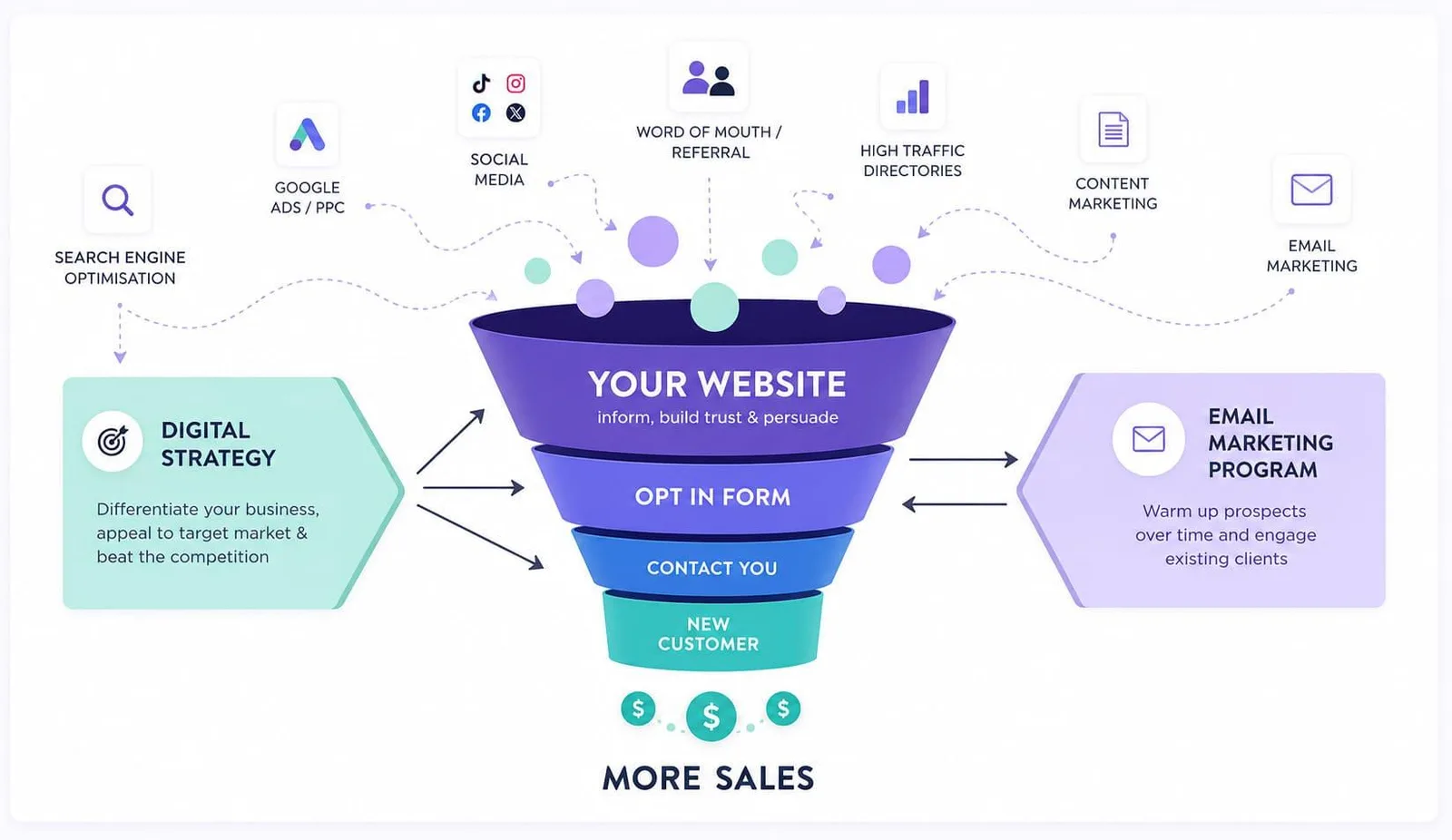
Building a sustainable, scalable business in a competitive marketplace requires far more than sporadic social media updates or disconnected ad campaigns. Modern enterprises need a cohesive digital marketing strategy a unified blueprint that aligns every digital touchpoint with concrete business outcomes. Simply maintaining an active online presence is not the same as executing a purposeful growth plan.
A structured digital marketing plan connects core acquisition channels such as search engine optimization (SEO), paid search and social advertising, content marketing, and email nurturing into a singular growth engine.
Without an overarching system, marketing efforts become fragmented, ad budgets leak, and customer acquisition costs rise. Understanding how to build a digital marketing strategy allows businesses to transition from reactive marketing tactics to predictable, sustainable online business growth.
Key Takeaways
- Set clear business goals and connect every digital marketing activity to measurable outcomes.
- Understand your target audience by analyzing their needs, search behavior, buying journey, and pain points.
- Use the right digital channels such as SEO, Google Ads, content marketing, social media, and email based on your audience and goals.
- Build a conversion-focused website with strong landing pages, clear CTAs, fast performance, and an easy user journey.
- Measure and continuously optimize performance using KPIs like CAC, CPL, conversion rate, ROAS, and revenue.
Understanding Digital Marketing Strategy
What Is a Digital Marketing Strategy?
A digital marketing strategy is an overarching, long-term plan designed to achieve specific organizational goals through carefully selected digital channels. Rather than operating as a series of isolated campaigns, a mature strategy dictates positioning, resource allocation, audience targeting, and value messaging across every consumer touchpoint.
While an individual digital marketing campaign might promote a single product launch over a two-week window, the broader strategy governs brand positioning and lifetime customer acquisition across years.
Why Does Digital Marketing Matter for Business Growth?
Understanding how digital marketing helps business growth centers on channel visibility and customer intent. Modern B2B and B2C buyers conduct thorough online research long before engaging with sales representatives.
A strategic digital presence ensures your business appears during critical decision moments, systematically capturing interest, generating qualified leads, and nurturing prospects into repeat buyers. Consistent online visibility builds topical and commercial authority, insulating businesses from market volatility.
Digital Marketing Strategy vs. Digital Marketing Plan
Although often used interchangeably, strategy and planning represent two distinct operational phases:
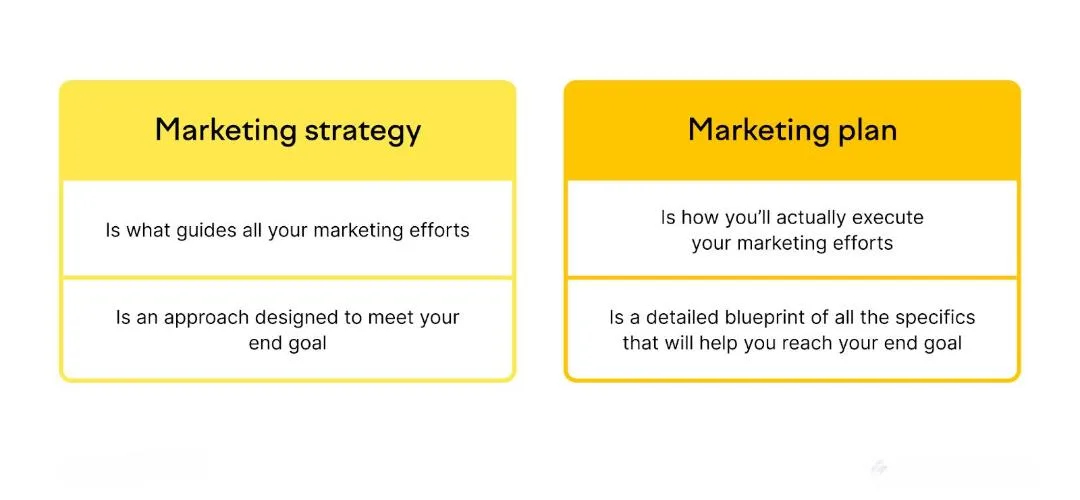
- Digital Marketing Strategy: The "why" and "what"! It defines high-level objectives, customer personas, competitive positioning, and channel selection.
- Digital Marketing Plan: The "how" and "when"! It is the operational roadmap detailing specific campaign timelines, content calendars, asset deliverables, and channel budgets.
Strategy establishes your market direction; the plan executes the tactical steps required to reach the destination.
Define Your Business and Marketing Goals
1. Identify What You Want to Achieve
Before allocating spend or producing content, establish clear commercial outcomes. Every marketing dollar must support specific commercial priorities, including:
- High-intent lead generation for pipeline velocity
- Direct online sales and improved e-commerce margins
- Brand awareness and topical thought leadership
- Qualified website traffic acquisition
- Customer retention and lifetime value (LTV) maximization
- Expanded market visibility in targeted regional or vertical sectors
2. Set Specific and Measurable Goals
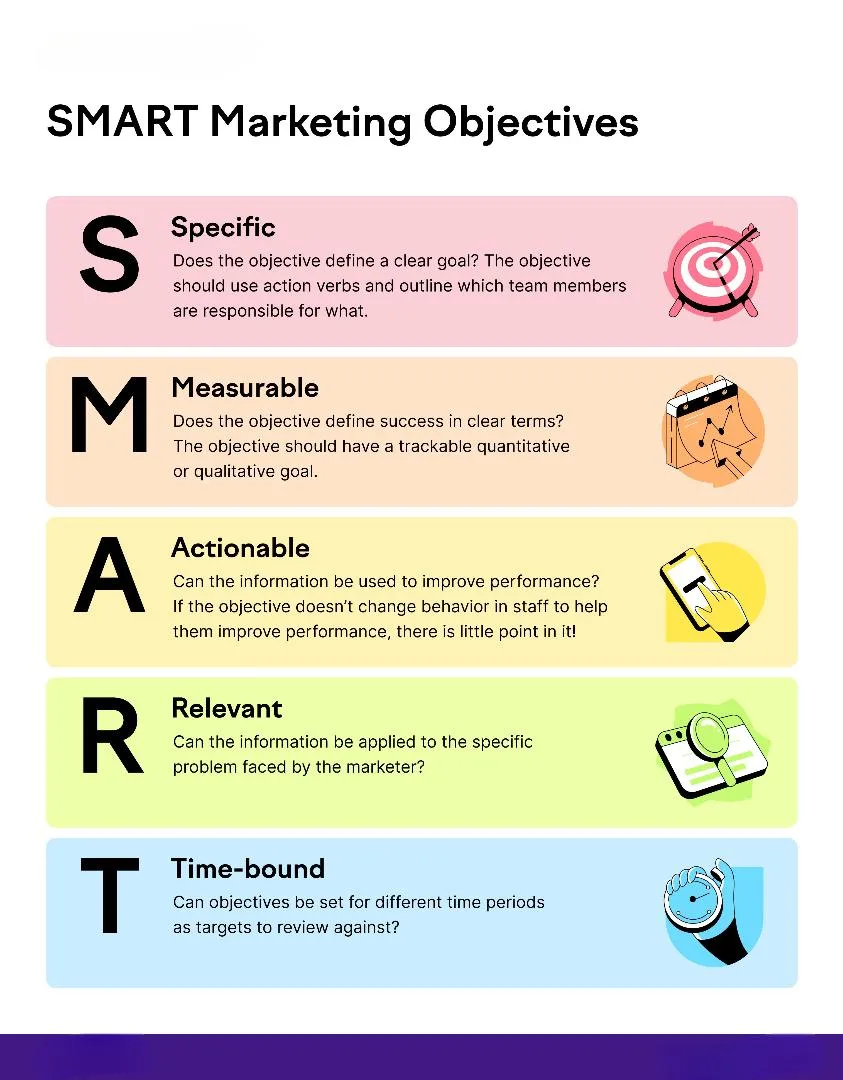
Vague goals like "grow traffic" lead to unfocused marketing programs. Effective teams utilize quantifiable frameworks like SMART (Specific, Measurable, Achievable, Relevant, Time-Bound) objectives to establish clear performance benchmarks. If your goal is customer acquisition, define the exact timeline, volume targets, and target Customer Acquisition Cost (CAC).
3. Connect Marketing Goals With Business Objectives
Digital metrics must never exist in a vacuum. Raw impressions and pageviews mean very little if they do not impact bottom-line profitability. When establishing digital marketing goals, tie every key performance indicator directly to commercial deliverables—such as sales-qualified leads (SQLs), pipeline value, and return on ad spend (ROAS).
Understand Your Target Audience
1. Identify Your Ideal Customer
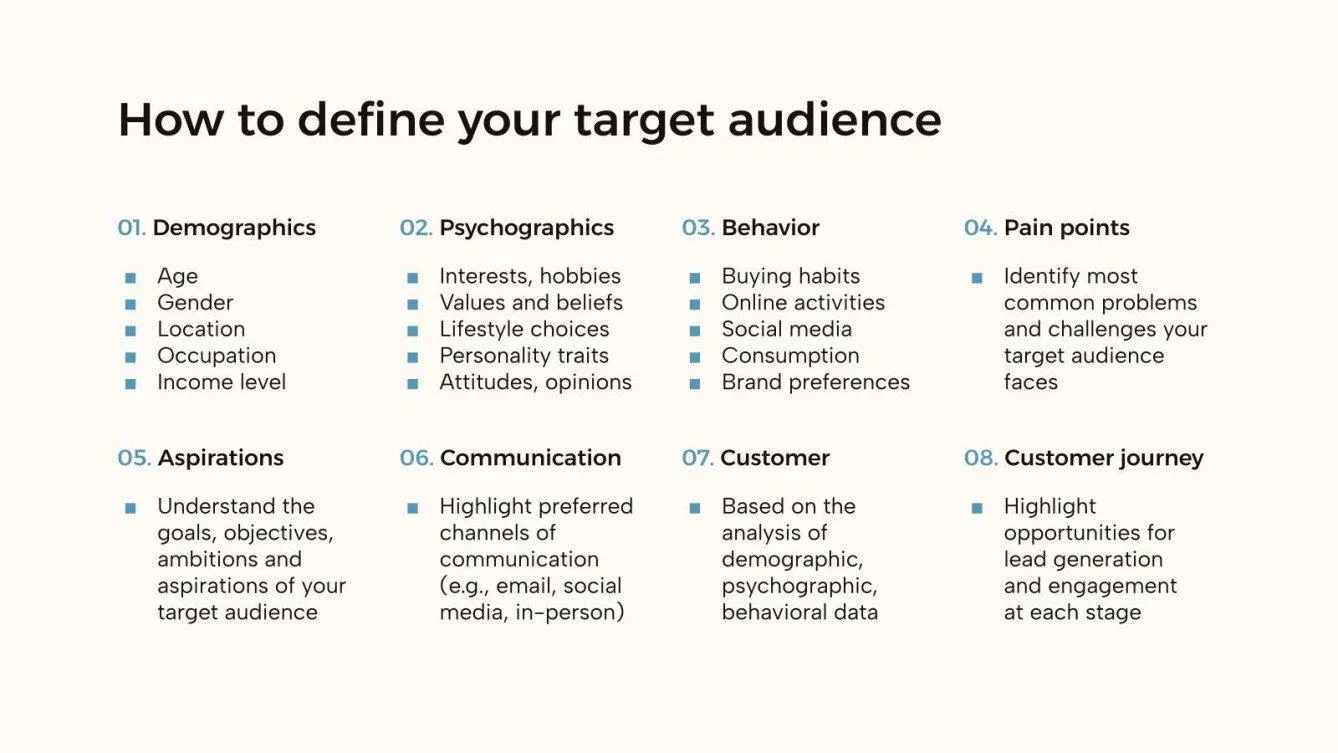
An effective digital marketing strategy for businesses starts with a precise understanding of the end customer. Analyzing industry-wide challenges, demographic parameters, operational pain points, and budget authorities ensures marketing resources target accounts most likely to convert and retain.
2. Understand Customer Search and Buying Behavior
Buyer behavior dictates channel selection. Analyze how prospects search for solutions, the terminology they use during problem-identification phases, and the criteria they weigh before selecting a vendor. Mapping this journey allows brands to deliver the right message at the right moment across the full conversion funnel.
3. Create Customer Personas
Synthesize demographic, psychographic, and firmographic data into actionable buyer personas. These personas should detail daily operational friction points, key professional objectives, preferred information consumption channels, and primary sales objections. Robust personas eliminate guesswork from creative, content, and messaging decisions.
Choose the Right Digital Marketing Channels
Search Engine Optimization (SEO)
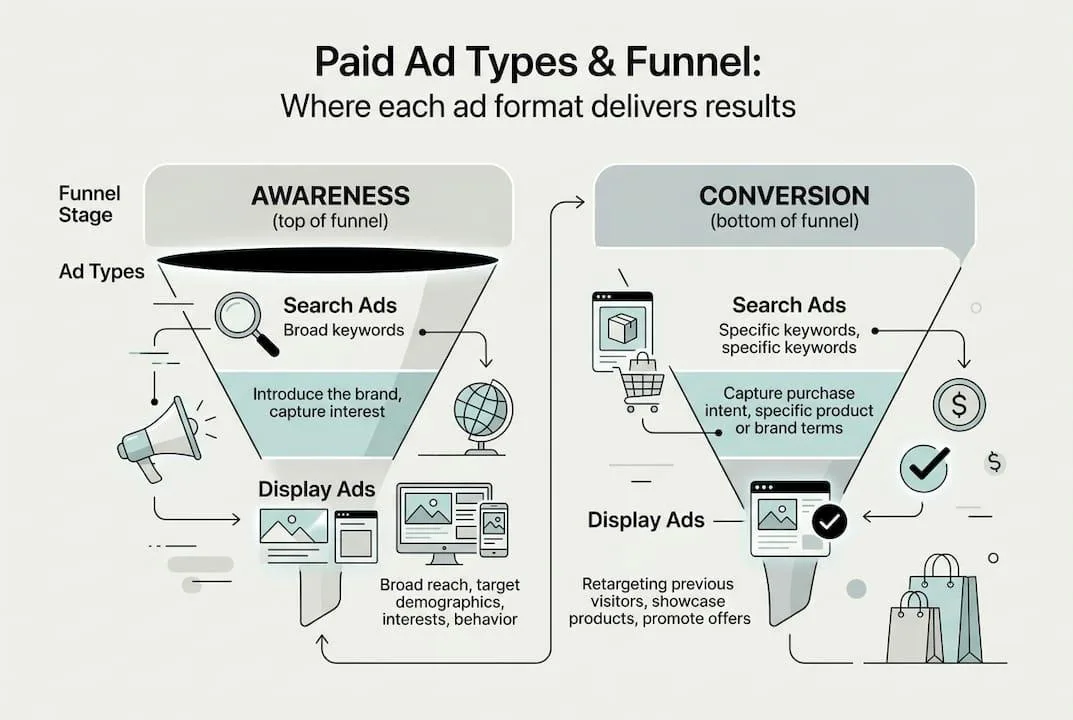
SEO delivers compound, organic visibility across traditional search engines. By optimizing technical architecture, targeting high-intent commercial keywords, and creating comprehensive, authoritative content, businesses establish long-term market presence without paying recurring click fees for every visitor.
Search Engine Marketing (SEM) and Paid Advertising
Paid search platforms like Google Ads offer direct, immediate access to high-intent prospective buyers. Connecting paid search and social campaigns with dedicated, conversion-optimized landing pages allows businesses to scale lead capture quickly while gathering valuable keyword and conversion data.
Content Marketing
High-value content assets such as whitepapers, case studies, industry benchmarks, and authoritative technical guides educate prospective buyers and establish deep topical authority. Content supports both organic search engine visibility and pipeline deal velocity by resolving buyer objections before sales calls.
Social Media Marketing
Social channels build brand engagement and keep your organization top-of-mind. Rather than spreading resources thin across every emerging network, concentrate efforts exclusively on platforms where your ideal buyers actively consume professional information (e.g., LinkedIn for B2B; Instagram and YouTube for lifestyle and consumer verticals).
Email Marketing
Email remains one of the highest-ROI direct marketing channels available. Permission-based email marketing allows brands to automate lead nurturing sequences, deliver targeted educational newsletters, re-engage cold accounts, and retain existing clients through structured lifecycle communication.
Build a Strong Website and Conversion Path
1. Create a User-Friendly Website
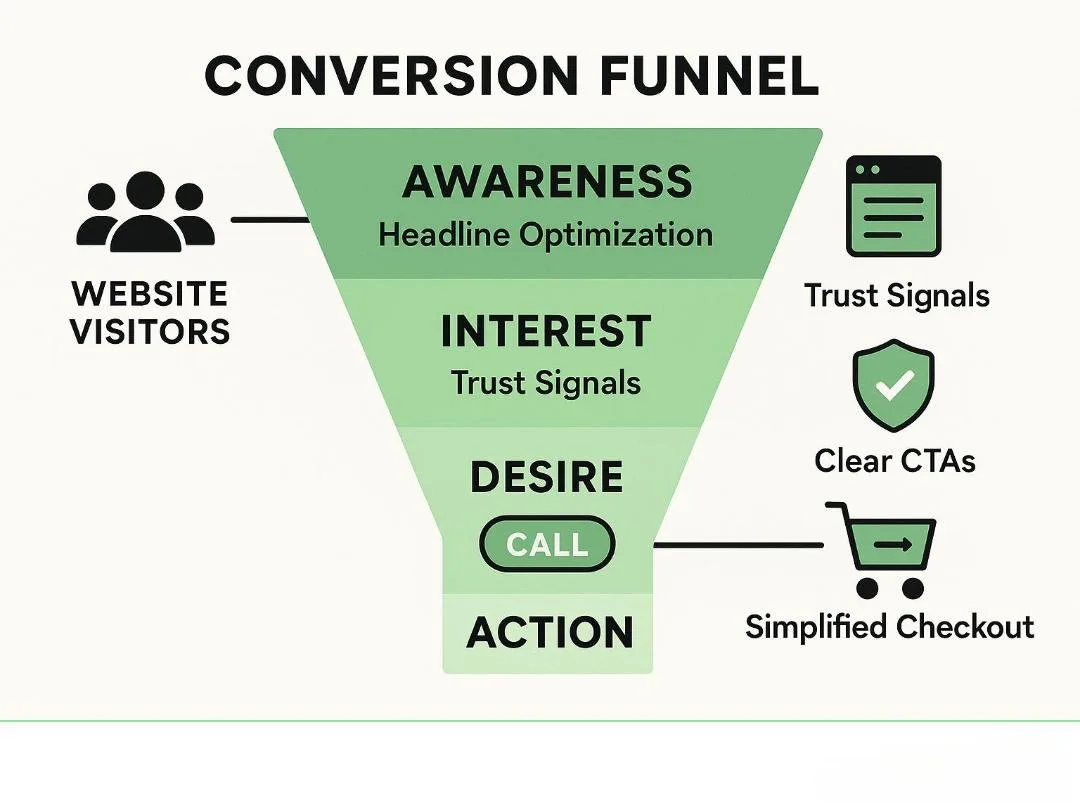
Your website serves as the central hub of your entire digital presence. Marketing spend is wasted if visitors land on a slow, confusing, or poorly structured site. Prioritize clean layout architecture, intuitive navigation, fast mobile load speeds, and crisp value propositions on every core page.
2. Create Effective Landing Pages
Avoid directing targeted advertising traffic to your generic homepage. High-performing campaigns rely on dedicated landing pages matching the exact intent of the ad creative. Clean headers, focused benefit points, social proof, and clear single calls to action (CTAs) dramatically improve conversion velocity.
3. Make It Easy for Visitors to Take Action
Reduce conversion friction across every stage of the user journey. Provide intuitive, accessible ways for prospects to engage based on their preferred interaction style:
- Frictionless lead and contact forms
- Direct phone lines and live communication widgets
- Self-serve calendar appointment bookings
- Clear request-for-quote (RFQ) pathways
- Transparent self-serve checkout flows for e-commerce
Create a Content Strategy That Supports Growth
Identify the Right Content Topics
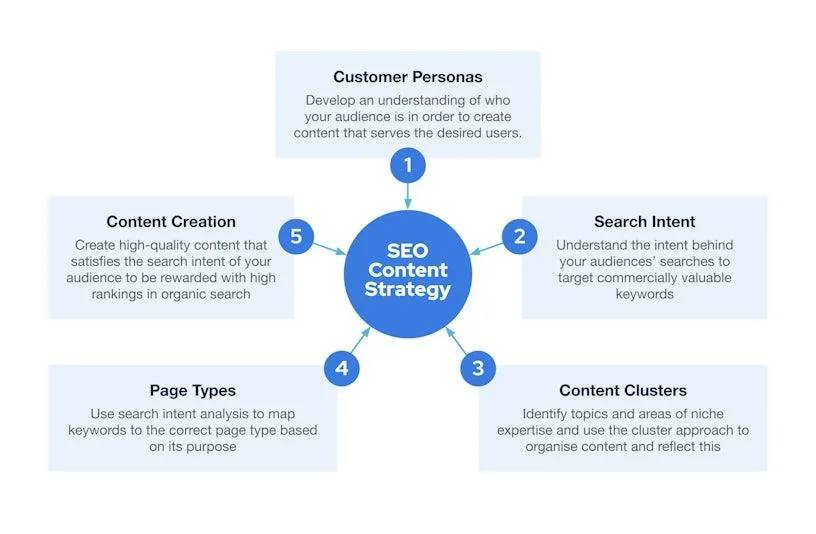
Base editorial roadmaps on authentic user search queries, competitor content gaps, and direct sales objections rather than internal hunches. Prioritize topics that address core customer pain points, product comparisons, implementation frameworks, and direct ROI considerations.
Balance Educational and Commercial Content
Sustainable organic growth requires a deliberate mix of top-of-funnel (TOFU) educational content and bottom-of-funnel (BOFU) commercial assets. While informational guides capture broad search demand and build brand authority, commercial comparison pages and case studies drive conversion actions.
Maintain Consistent Content Publishing
Search engines and human audiences reward consistency. Establish a realistic editorial publishing schedule prioritized by depth and factual accuracy. High-quality, original research and authoritative industry insights will always outperform high-volume, generic content mills.
Use SEO and Paid Marketing Together
How SEO Supports Long-Term Visibility
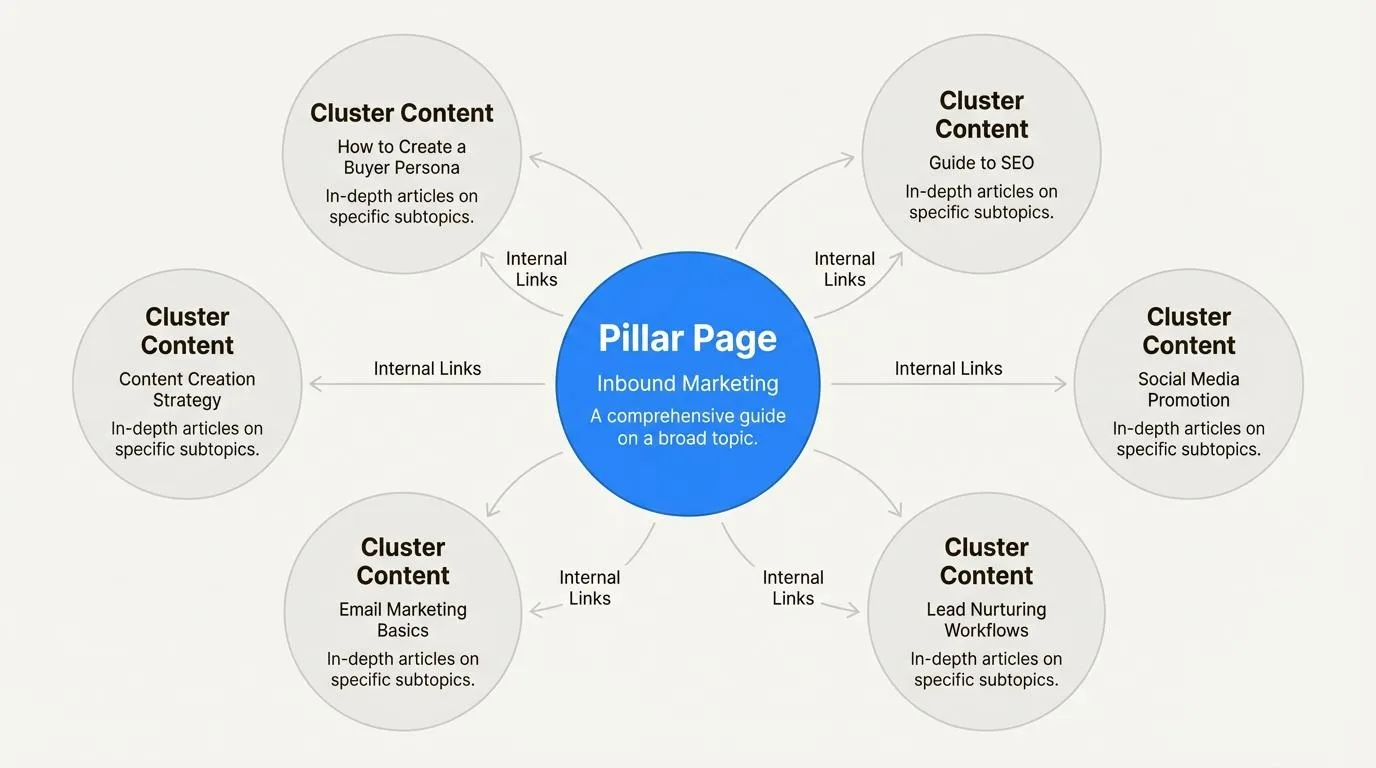
Organic search builds lasting digital real estate. Authoritative technical assets, comprehensive pillar pages, and strategic internal linking structures continue generating qualified traffic and leads months or years after publication, stabilizing customer acquisition costs.
How Paid Advertising Provides Targeted Reach
Paid campaigns provide instant visibility, surgical audience targeting, and immediate performance feedback. When launching new initiatives or entering competitive verticals, paid advertising bridges the visibility gap while organic assets mature.
Why Integrated Marketing Can Improve Efficiency
Integrating organic and paid marketing unlocks valuable cross-channel efficiencies. Paid search performance data reveals the highest-converting commercial keywords, which can then be targeted with organic SEO initiatives. Simultaneously, authoritative SEO content can be repurposed for ad creative and retargeting campaigns.
Businesses looking to create a structured online growth plan can work with a digital marketing agency to develop a strategy that connects SEO, paid advertising, content, and other digital channels with measurable business goals.
Measure Digital Marketing Performance

1. Track the Right KPIs
Evaluating the health of your digital marketing performance requires tracking high-impact business metrics rather than vanity signals:
- Customer Acquisition Cost (CAC): Total sales and marketing spend divided by new customers acquired.
- Cost Per Lead (CPL): Marketing investment required to generate a qualified inquiry.
- Conversion Rate (CVR): Percentage of site visitors completing targeted actions.
- Return on Ad Spend (ROAS): Direct revenue generated per dollar spent on advertising.
- Pipeline Contribution & Revenue: Total closed business attributed to digital initiatives.
2. Understand Where Your Leads and Customers Come From
Implement multi-touch attribution systems via tools like Google Analytics 4. Tracking the customer journey across organic discovery, retargeting touches, and email nurture campaigns ensures marketing budgets are allocated to the channels driving actual revenue.
3. Use Data to Improve Your Strategy
Continuous optimization separates successful growth programs from stagnant ones. Review attribution data monthly to reallocate spend away from underperforming channels toward high-yield campaigns, landing pages, and audience segments.
Common Digital Marketing Strategy Mistakes
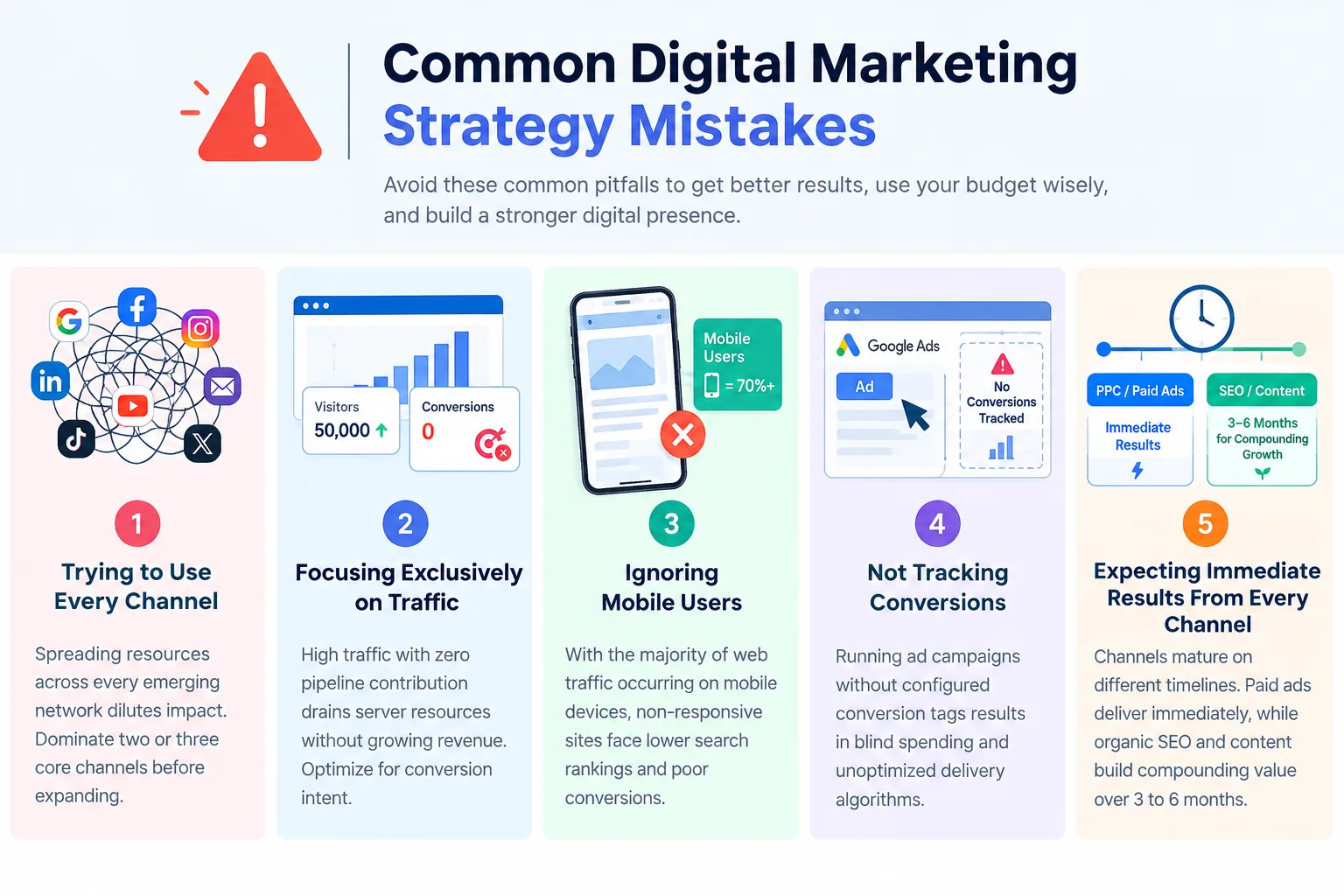
- Trying to Use Every Channel: Spreading resources across every emerging network dilutes impact. Dominate two or three core channels before expanding.
- Focusing Exclusively on Traffic: High traffic with zero pipeline contribution drains server resources without growing revenue. Optimize for conversion intent.
- Ignoring Mobile Users: With the majority of web traffic occurring on mobile devices, non-responsive sites face lower search rankings and poor conversions.
- Not Tracking Conversions: Running ad campaigns without configured conversion tags results in blind spending and unoptimized delivery algorithms.
- Expecting Immediate Results From Every Channel: Channels mature on different timelines. Paid ads deliver immediately, while organic SEO and content build compounding value over 3 to 6 months.
How to Build Your Digital Marketing Strategy Step by Step
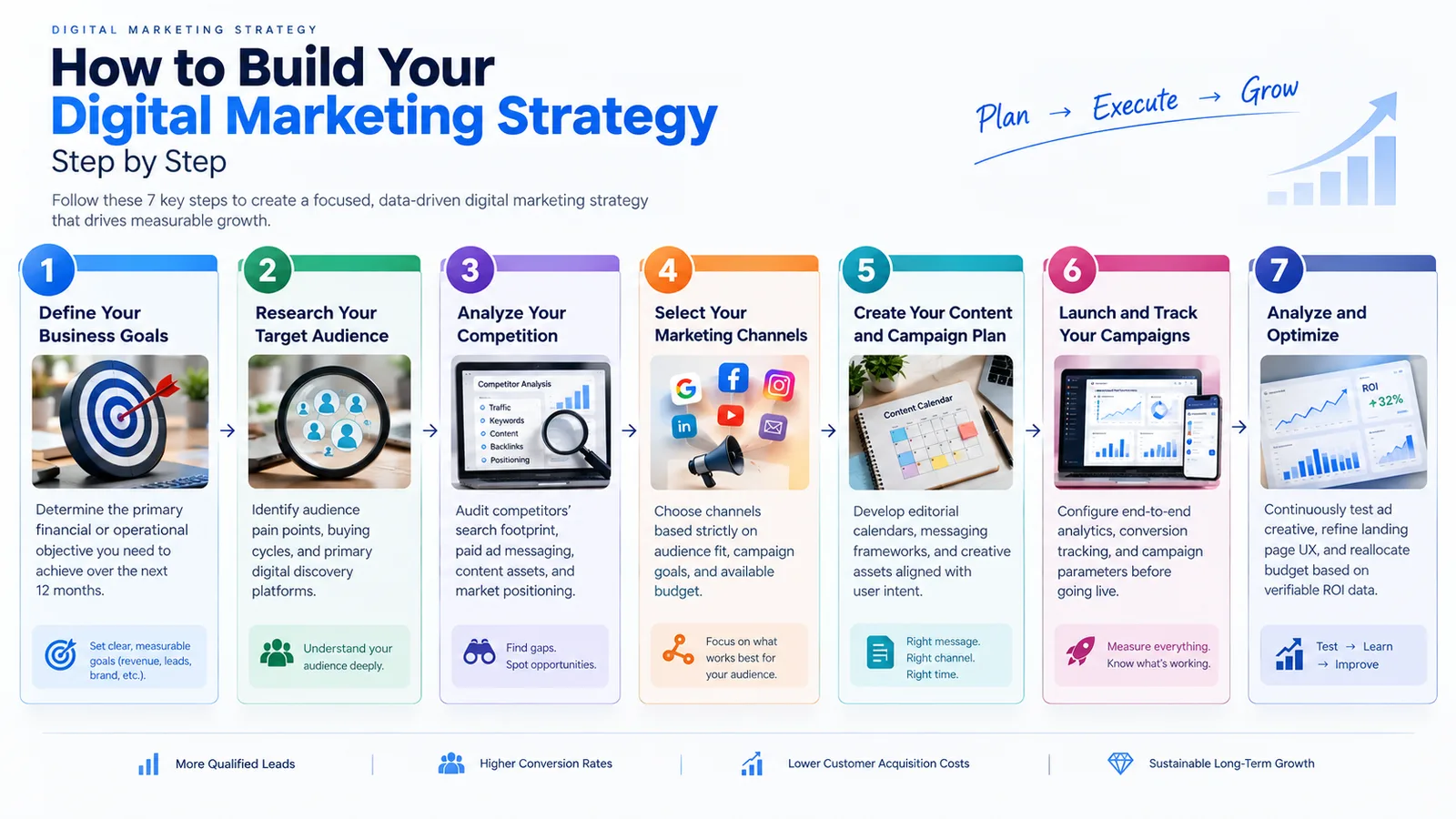
- Step 1: Define Your Business Goals: Determine the primary financial or operational objective you need to achieve over the next 12 months.
- Step 2: Research Your Target Audience: Identify audience pain points, buying cycles, and primary digital discovery platforms.
- Step 3: Analyze Your Competition: Audit competitors’ search footprint, paid ad messaging, content assets, and market positioning.
- Step 4: Select Your Marketing Channels: Choose channels based strictly on audience fit, campaign goals, and available budget.
- Step 5: Create Your Content and Campaign Plan: Develop editorial calendars, messaging frameworks, and creative assets aligned with user intent.
- Step 6: Launch and Track Your Campaigns: Configure end-to-end analytics, conversion tracking, and campaign parameters before going live.
- Step 7: Analyze and Optimize: Continuously test ad creative, refine landing page UX, and reallocate budget based on verifiable ROI data.
Final Thoughts
A resilient digital marketing strategy aligns clear business outcomes with deep audience understanding. Rather than treating search, paid ads, and content as separate initiatives, forward-thinking brands integrate them into a unified growth engine. By establishing rigorous KPI tracking and viewing digital marketing as an ongoing process of testing, learning, and optimizing, businesses can achieve sustainable, scalable growth across modern digital markets.
Frequently Asked Questions (FAQs)
What is a digital marketing strategy?
A digital marketing strategy is a comprehensive roadmap outlining how an organization uses digital channels to reach target audiences, capture leads, and achieve defined business objectives.
How do I create a digital marketing strategy?
Begin by defining measurable business goals, researching target buyer personas, selecting the most relevant channels (such as SEO and paid search), building a conversion-focused web experience, and establishing robust KPI tracking.
Why is digital marketing important for business growth?
Digital marketing enables precise audience targeting, cost-efficient scaling, measurable ROI tracking, and direct access to high-intent buyers actively searching for solutions online.
What are the main digital marketing channels?
The primary channels include Search Engine Optimization (SEO), Paid Search (SEM), Paid Social Media, Content Marketing, Email Marketing, and Conversion Rate Optimization (CRO).
How long does it take for a digital marketing strategy to work?
Paid channels often produce initial leads within days, whereas organic search, content authority, and brand-building strategies typically require 3 to 6 months to generate compounding business growth.
How do I measure digital marketing success?
Measure success through business-oriented KPIs such as Customer Acquisition Cost (CAC), Return on Ad Spend (ROAS), conversion rates, and total closed revenue attributed to digital channels.
How much should a business spend on digital marketing?
B2B companies typically invest between 5% and 10% of gross revenue into marketing, while high-growth businesses and B2C brands may allocate 12% to 20% depending on aggressive market expansion goals.